We develop innovative solutions for advanced wastewater treatment, with the aim of improving process efficiency and ensuring high environmental quality standards.
Research activities include the study of advanced biological processes, membrane technologies, and integrated systems for the removal of nutrients and emerging contaminants.
Particular attention is dedicated to energy optimization and the sustainability of the plants.
We develop technologies for the recovery of resources from wastewater and sludge, including nutrients, energy, and value-added materials.
Activities include biological, chemical, and integrated processes for the valorization of waste matrices within a circular economy framework.
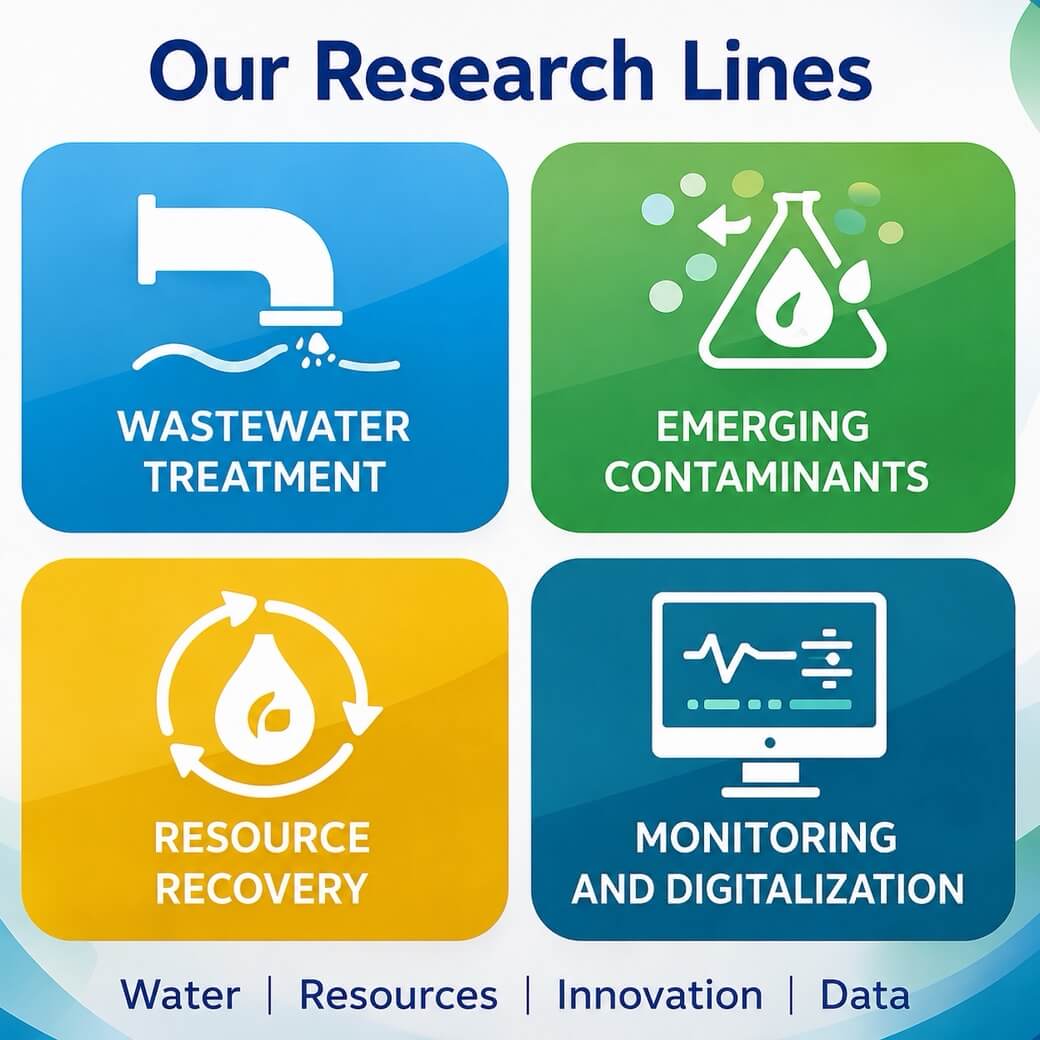
We study the presence, behavior, and removal of emerging contaminants in water, including PFAS, organic micro-pollutants, and pharmaceuticals.
Research focuses on advanced treatment technologies and innovative systems to ensure environmental and health safety.
The goal is to support the development of effective strategies for risk management and the protection of water resources.
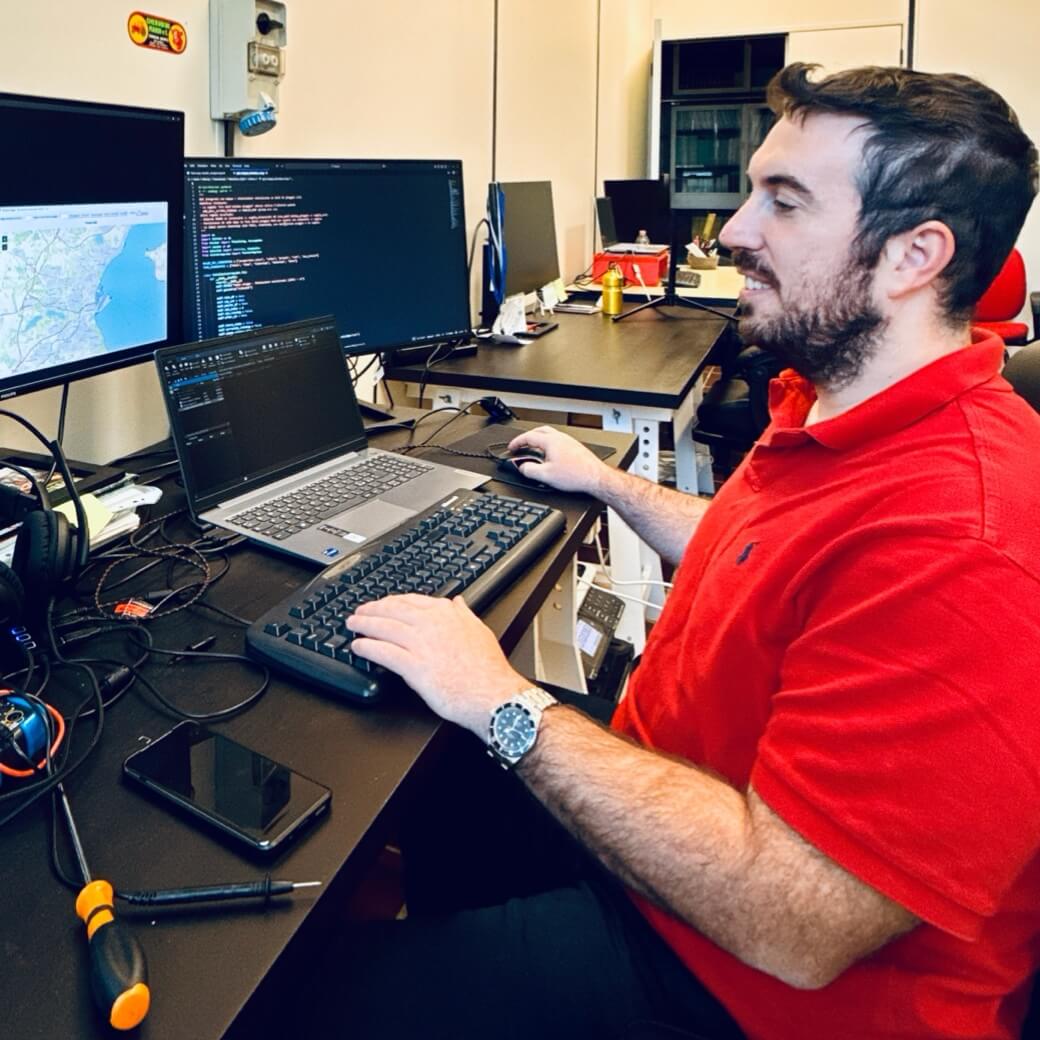
WWEELab develops digital tools and advanced monitoring systems for process control and optimization.
Activities include modeling, sensing, and data analysis to improve plant performance and support data-driven decisions.
WWEELab’s research activities translate into concrete applications through the development of technologies, models, and tools validated in European and national projects.
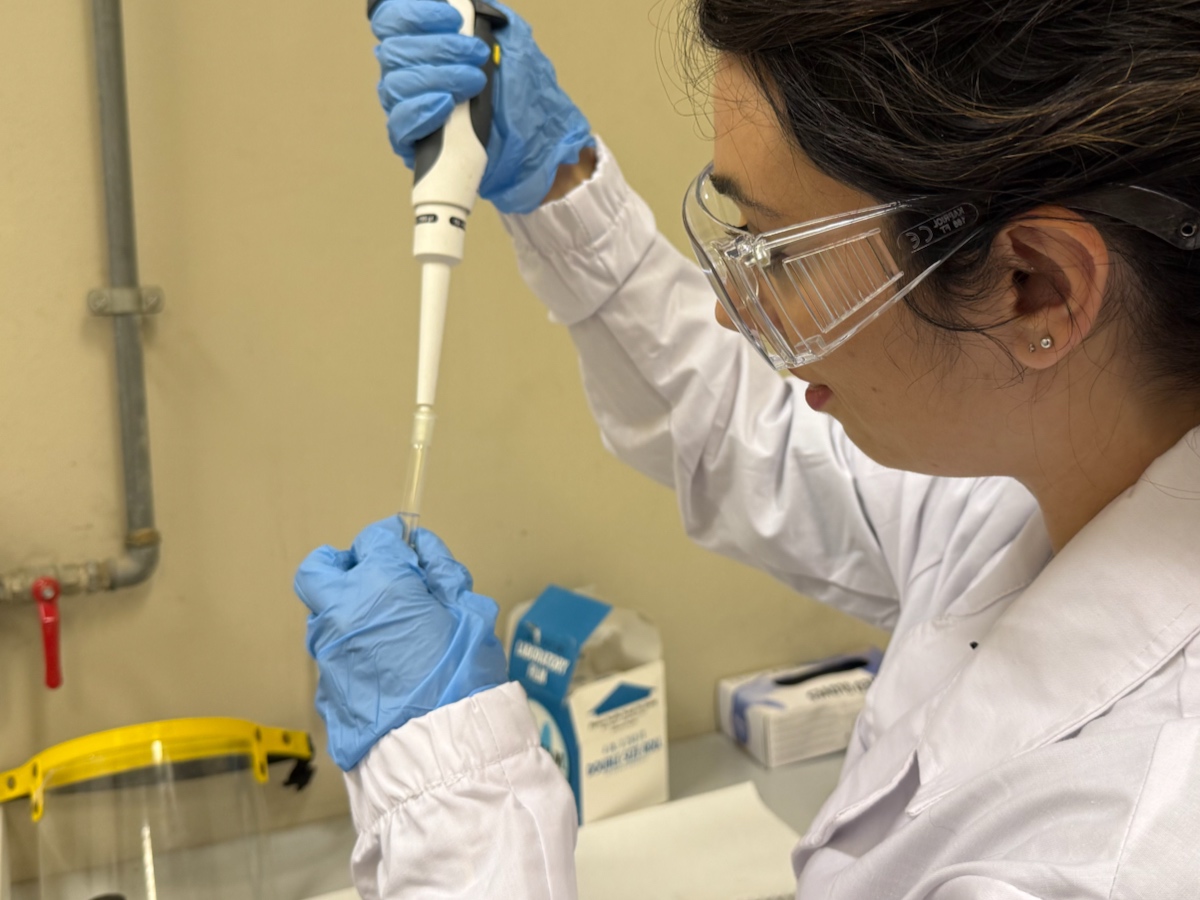
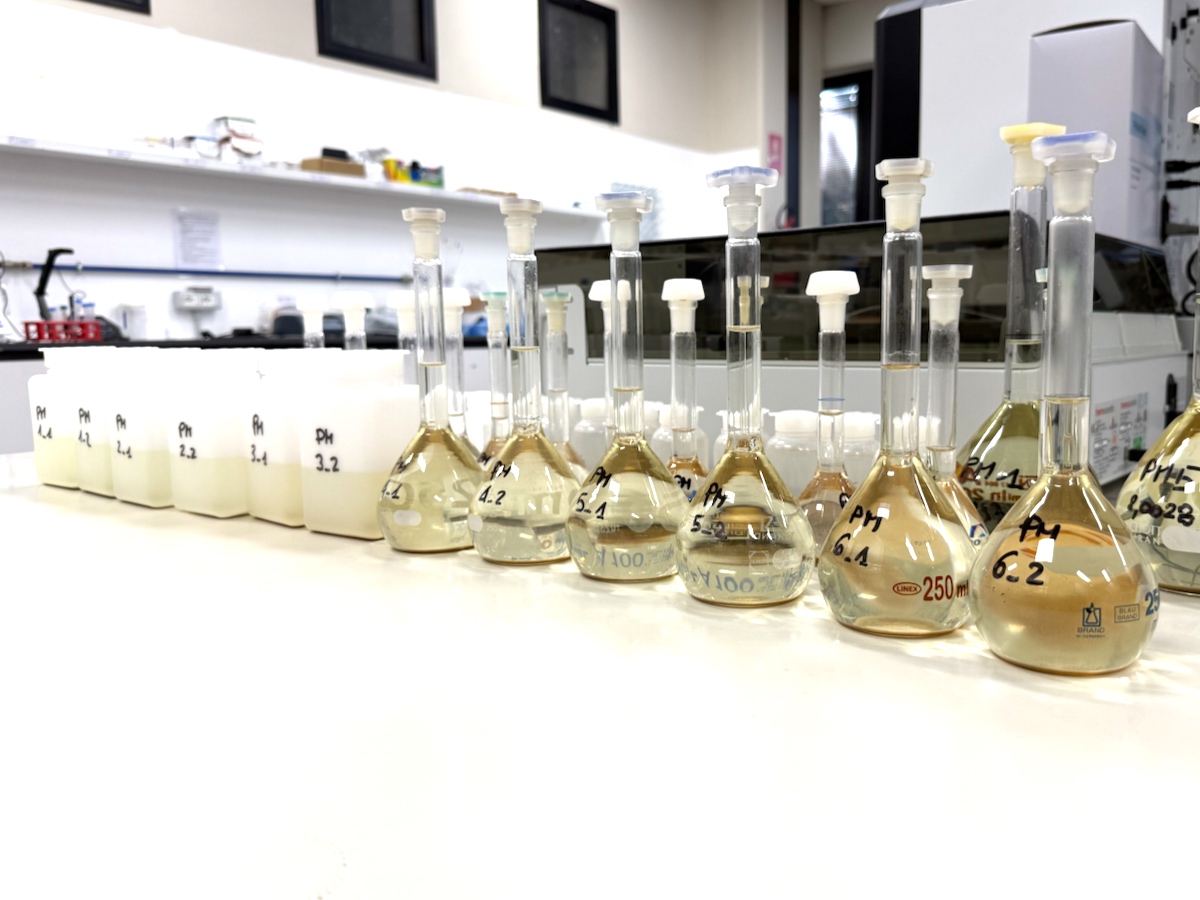
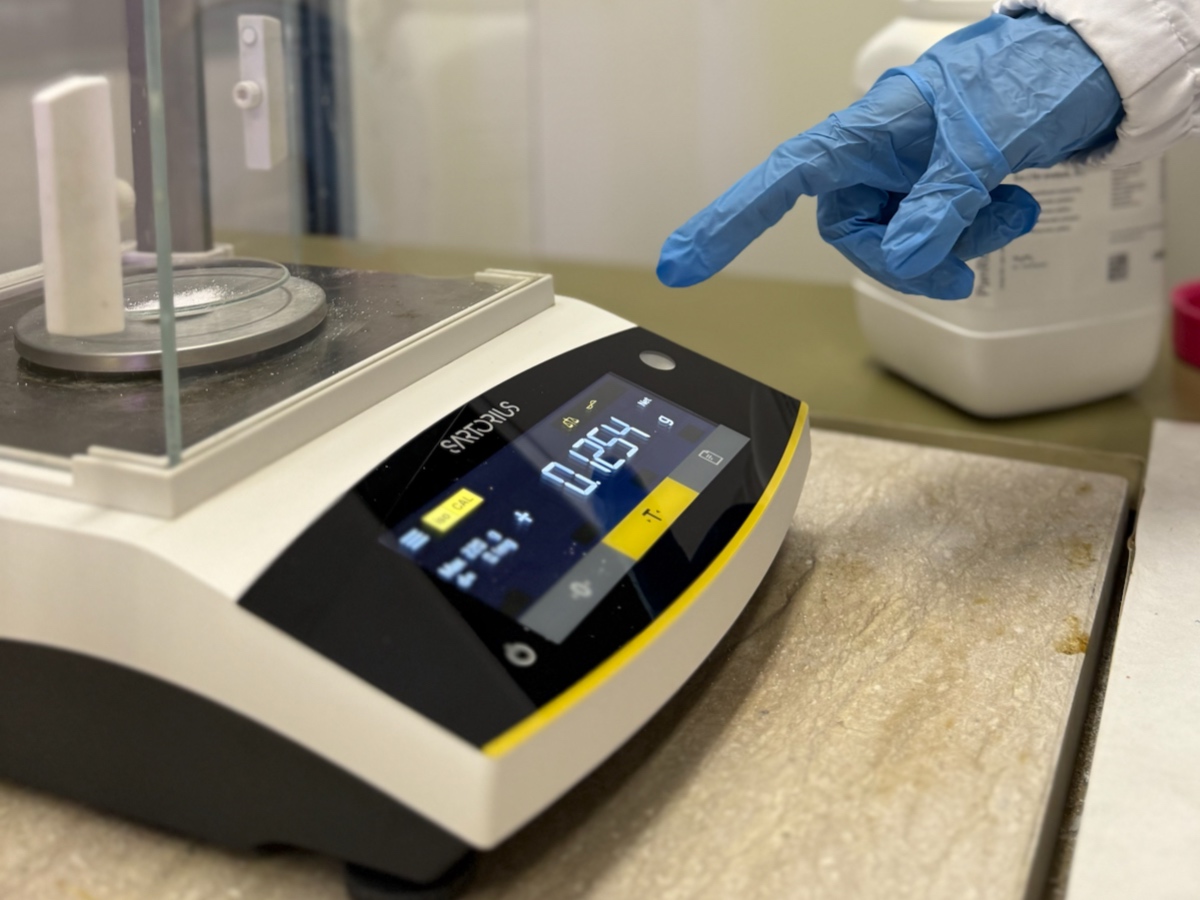
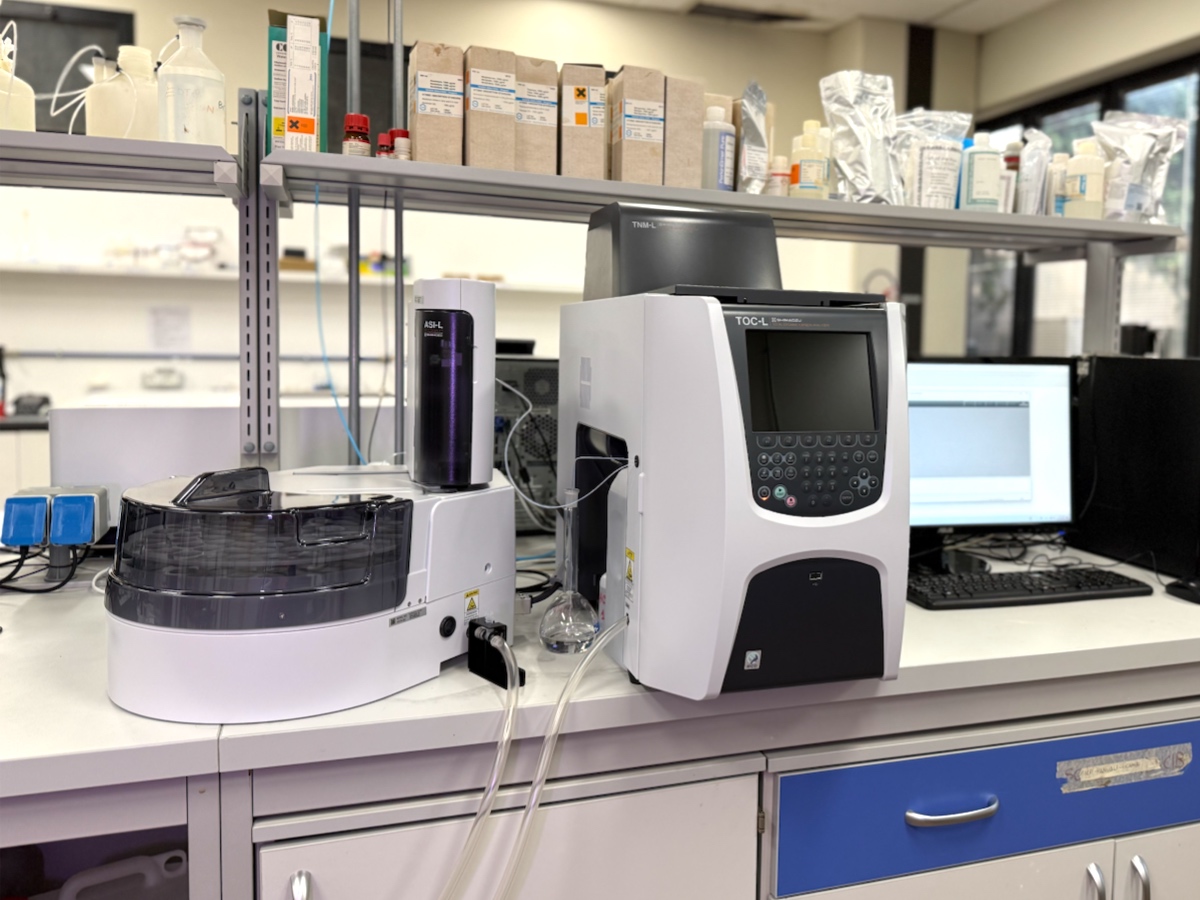
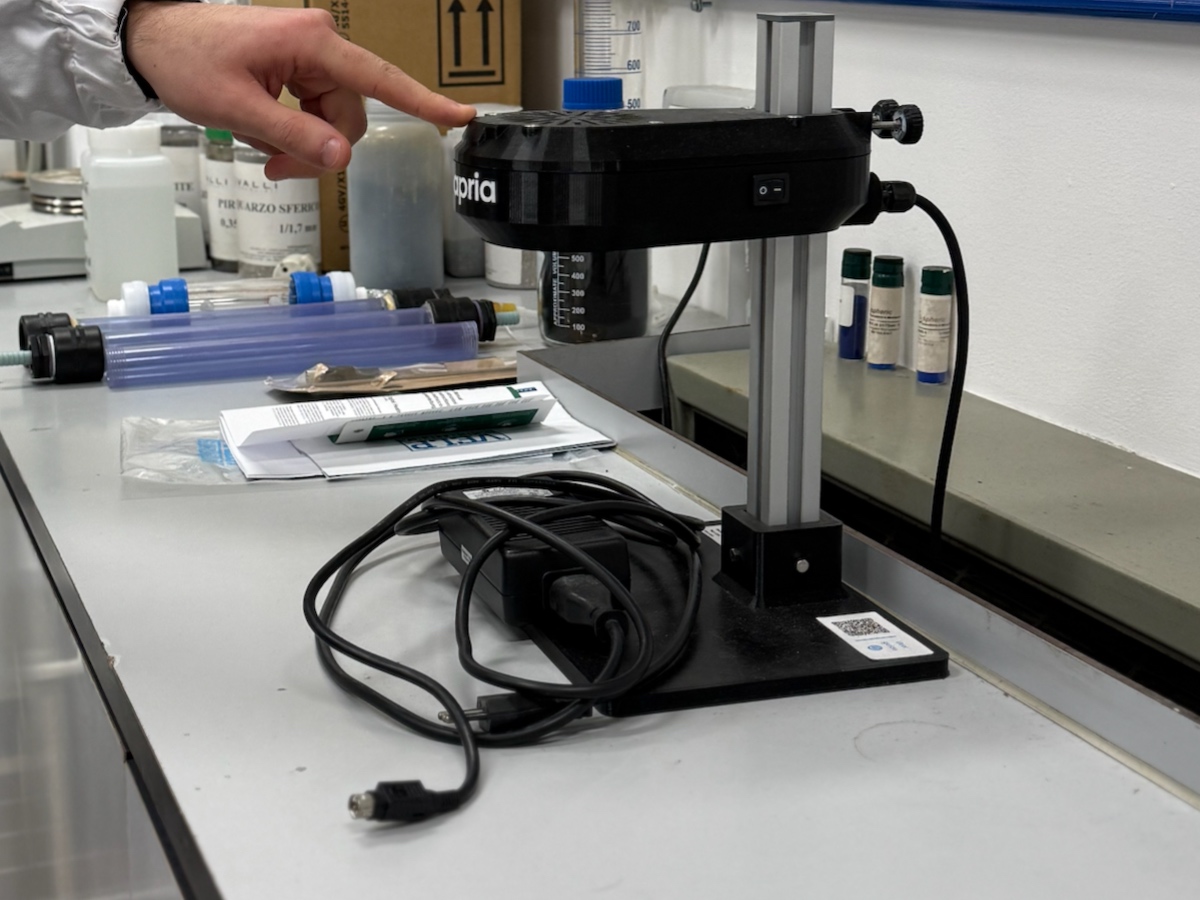
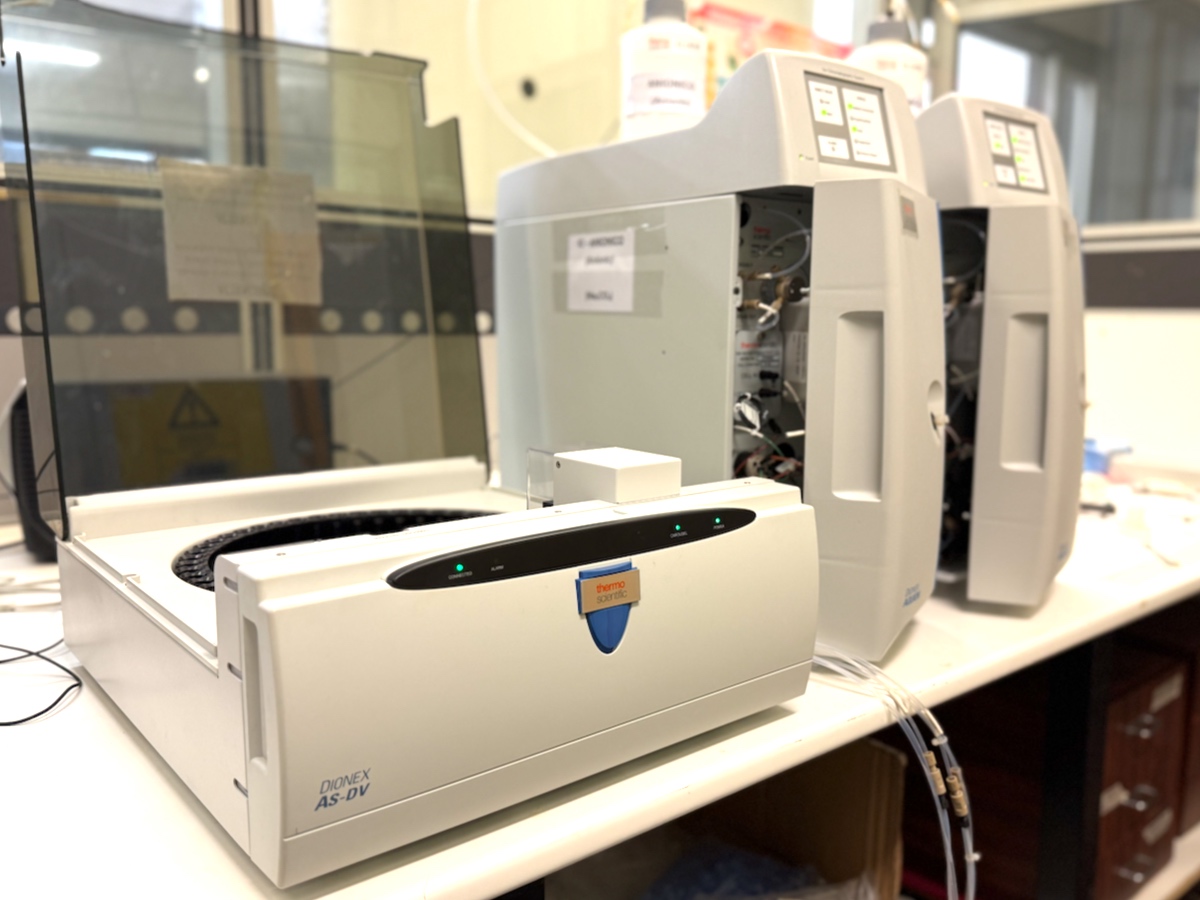
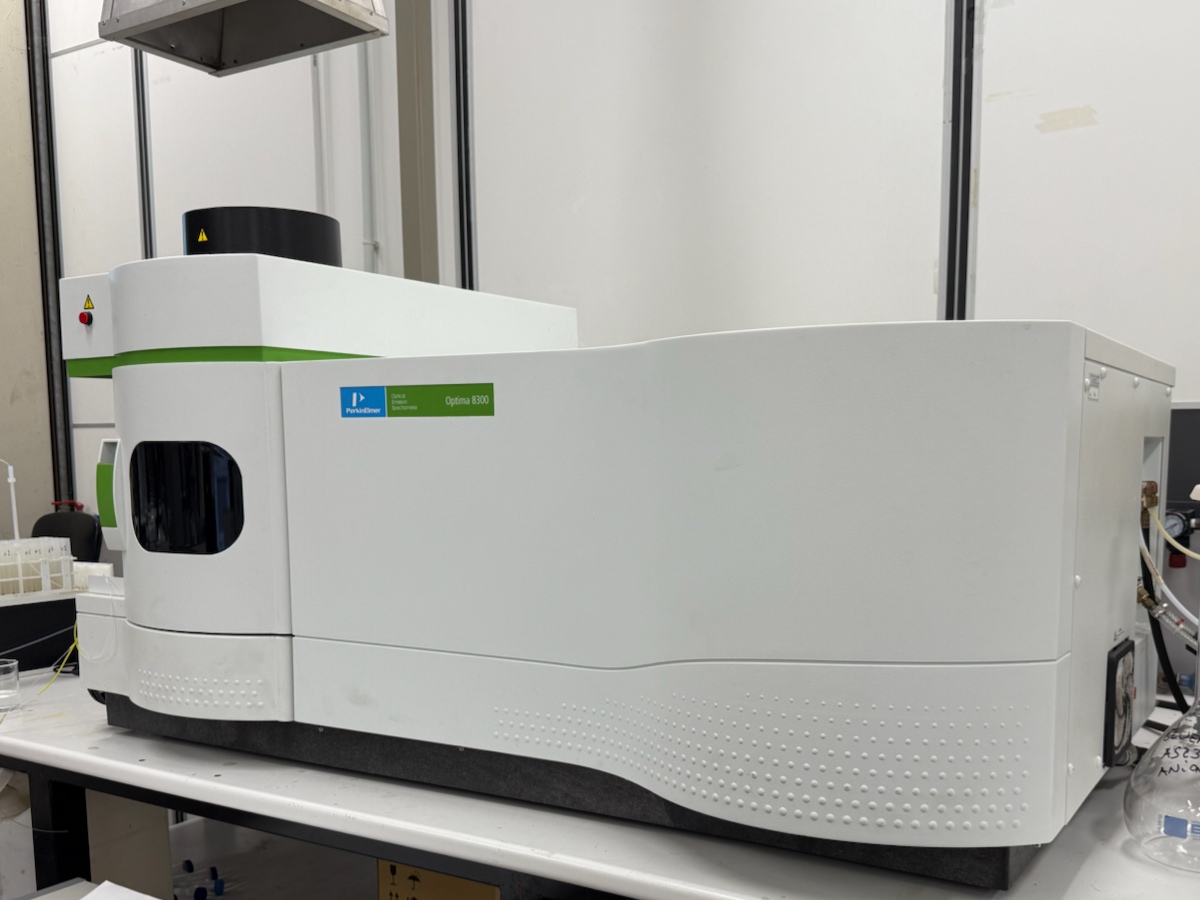
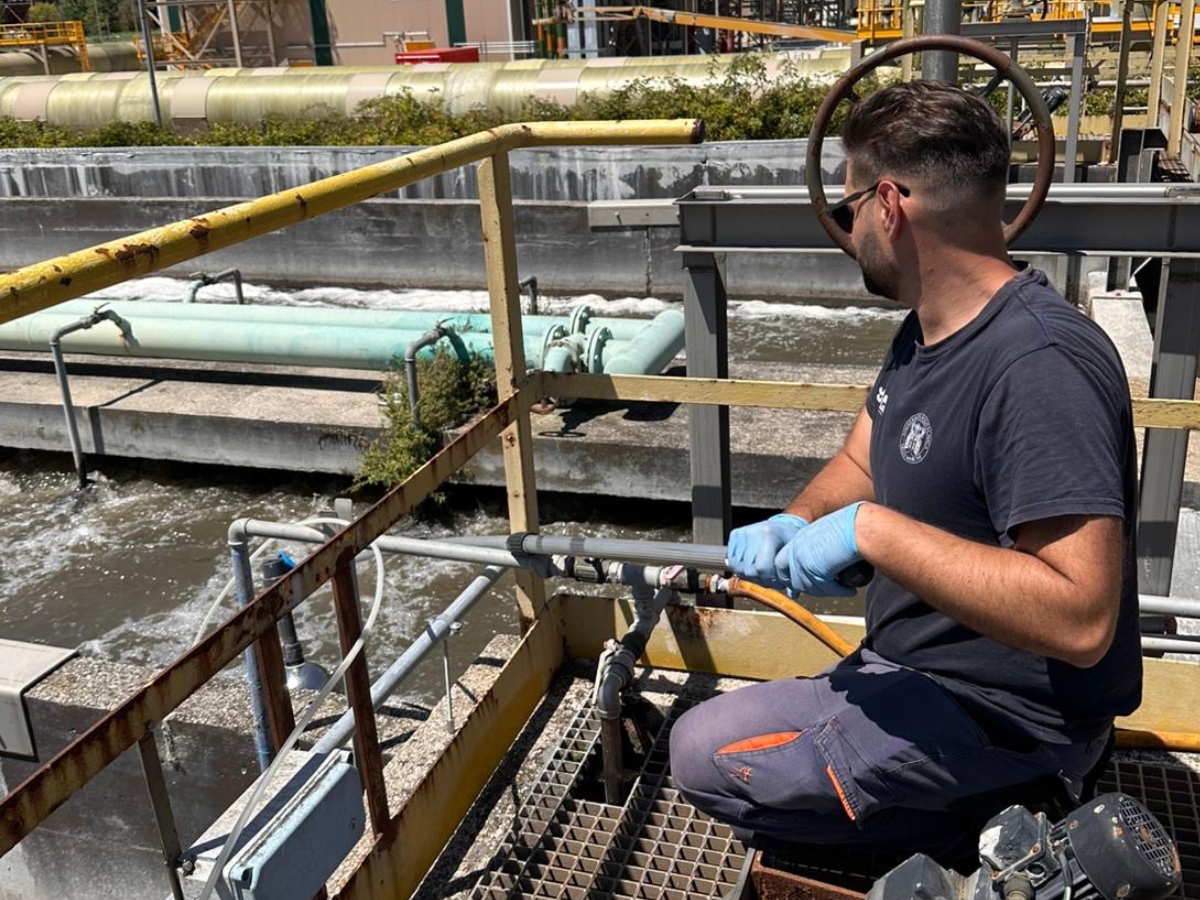
WWEELab laboratories are equipped for the chemical, physical, and biological characterization of environmental matrices, with a particular focus on wastewater, sludge, and biomass.
Activities include the monitoring of main process parameters (COD, BOD, nutrients, solids, VFA, TOC, NTOT, PTOT, anions, cations, heavy metals), respirometric analyses, microbiological analyses, and biodegradability tests.
These infrastructures support the development and optimization of innovative processes, providing fundamental data for research and technological validation.
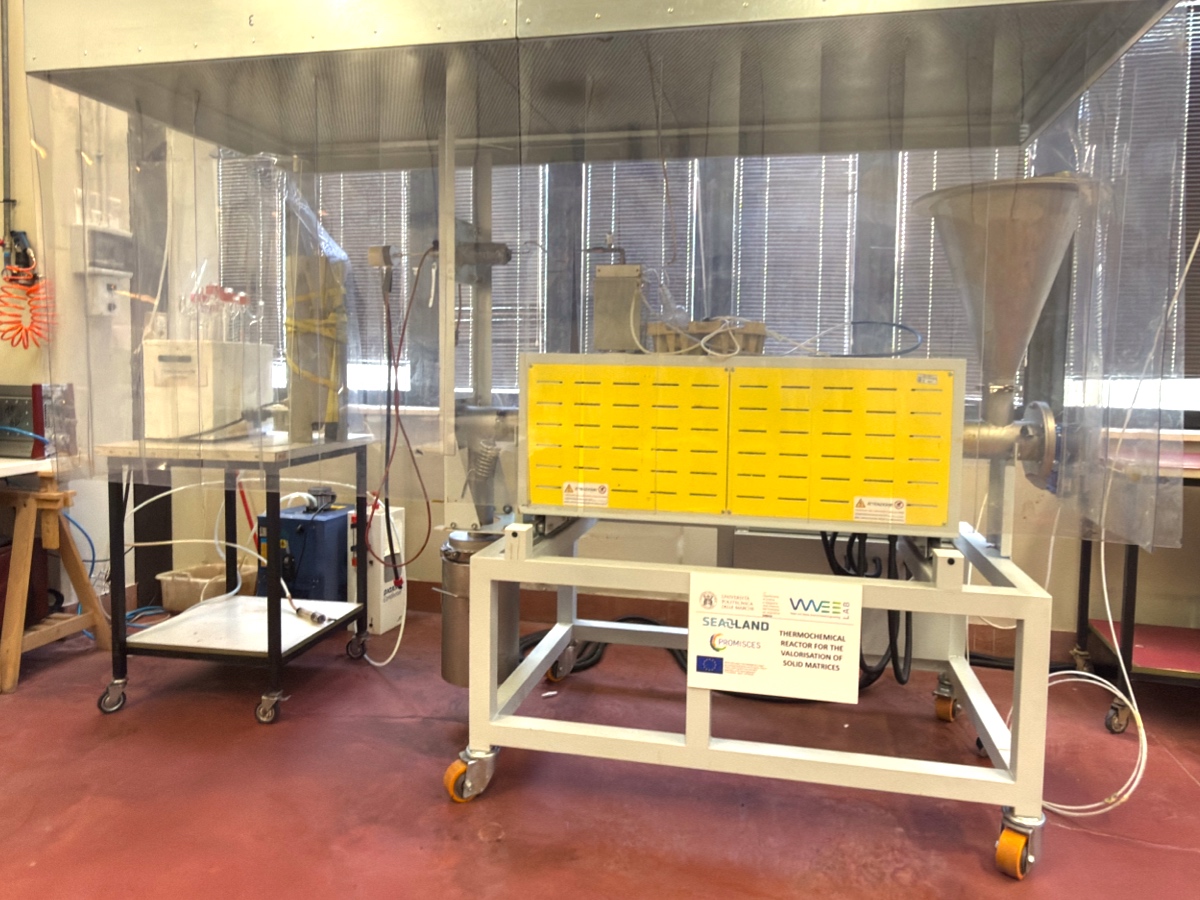
WWEELab has systems dedicated to the study and optimization of resource recovery processes from wastewater and sludge.
Main activities include:
▫️nutrient recovery,
▫️valorization of organic matrices
▫️development of innovative solutions for the circular economy.
These activities contribute to the development of circular economy models applied to the water and environmental sector.
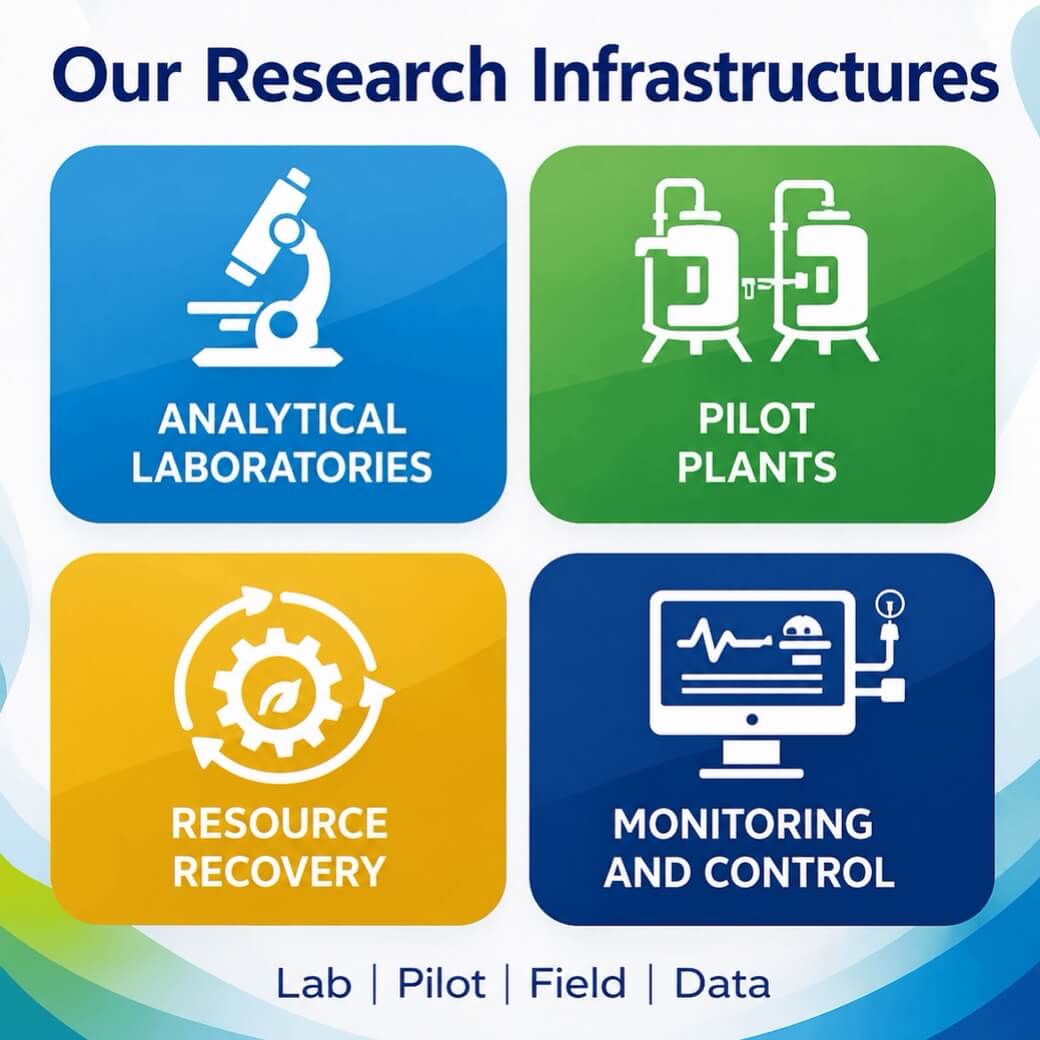
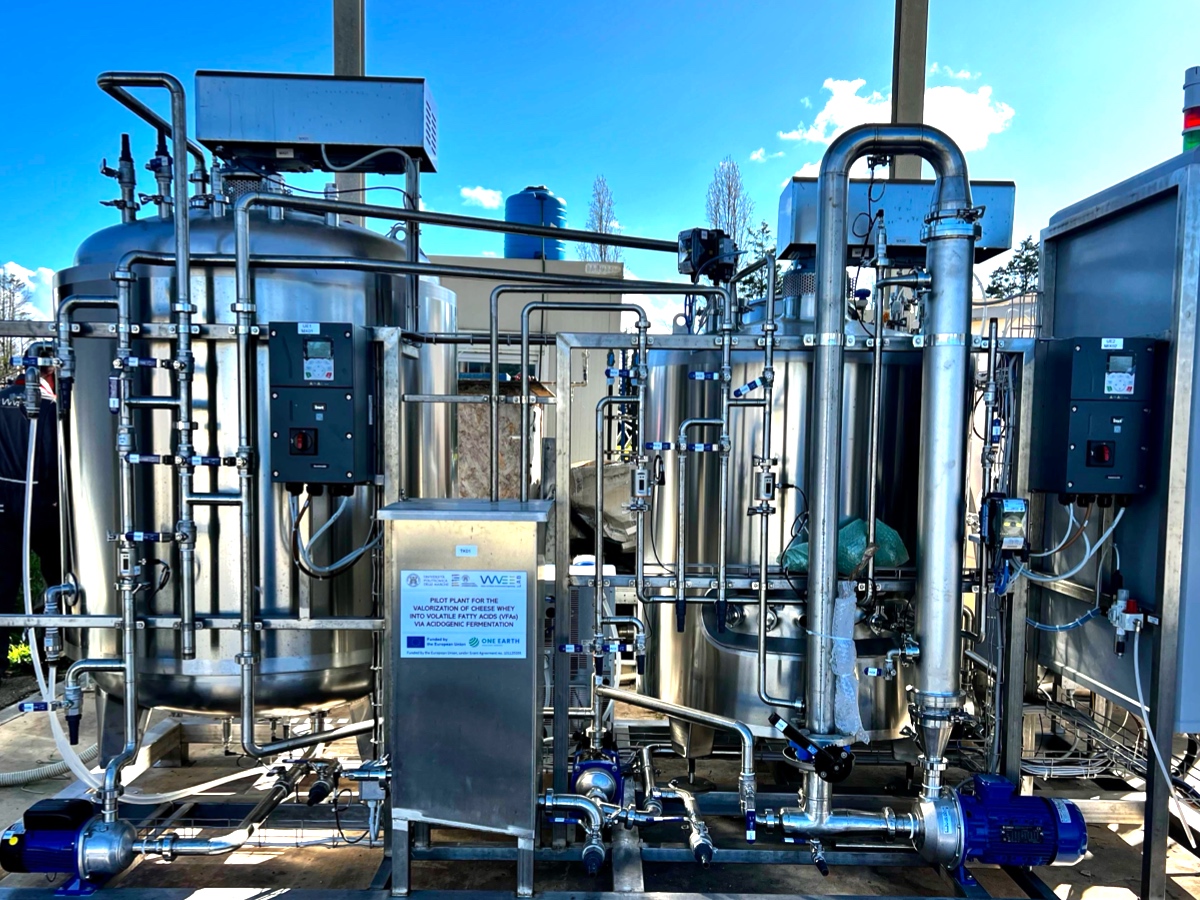
The group has modular pilot plants for the study of advanced biological processes, including biofilm systems, SBR reactors, MBBR, and anammox technologies.
These systems allow for testing innovative solutions for the removal of nutrients and emerging contaminants under controlled and semi-real conditions.
The plants represent a key step for validation at an intermediate scale (TRL) and technology transfer toward real-world applications.
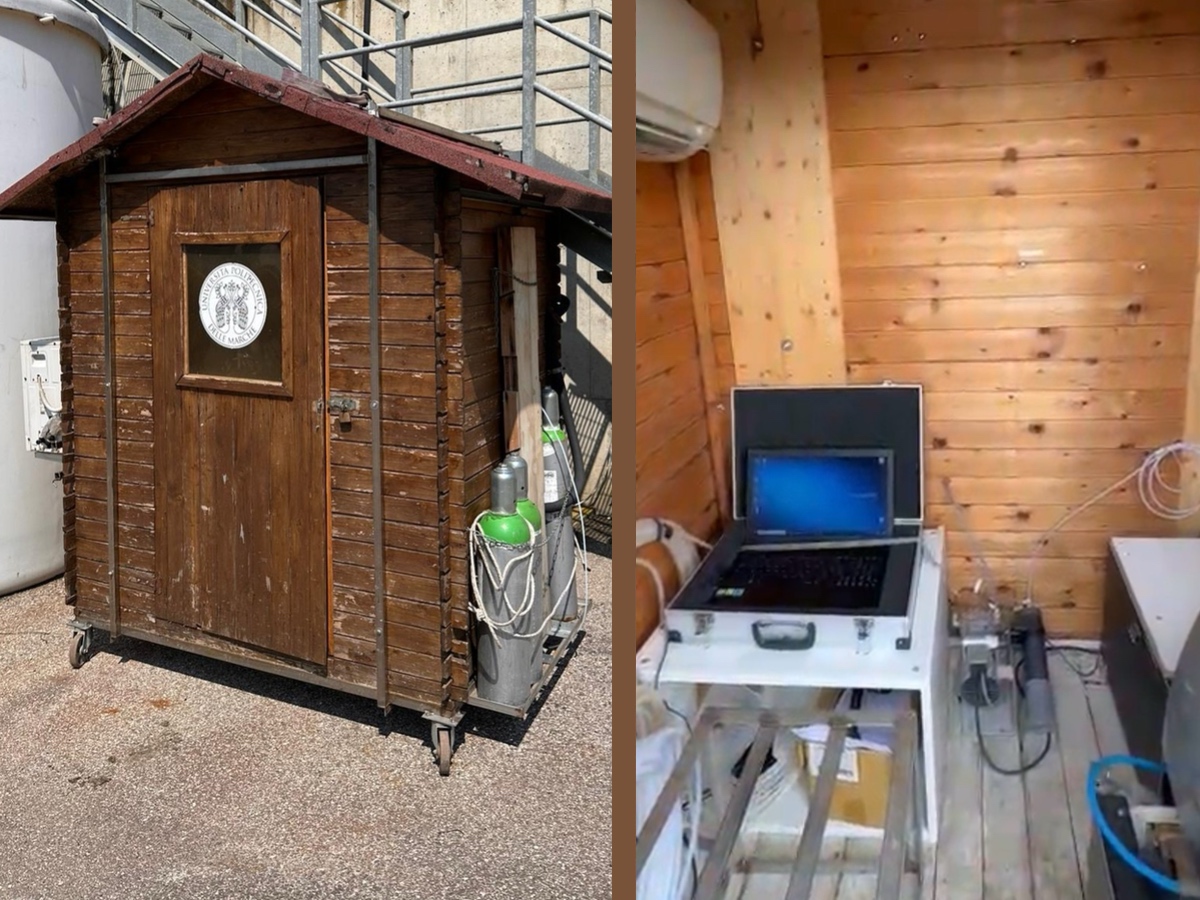
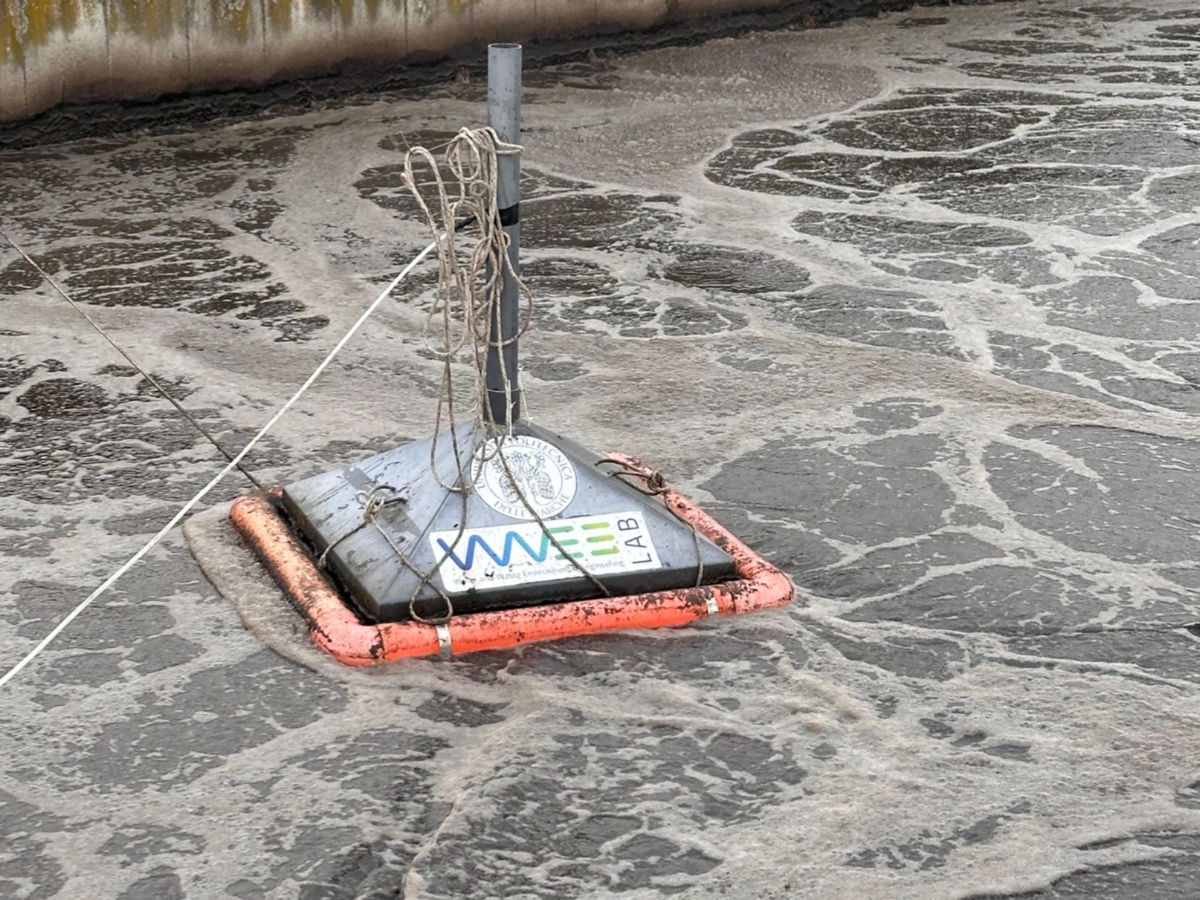
WWEELab integrates advanced sensors and real-time monitoring systems within the experimental plants.
These technologies allow for:
▫️control of operational parameters
▫️data acquisition and analysis
▫️optimization of process performance
The integration between physical infrastructure and digital tools represents a key element for the development of intelligent and sustainable systems.
The WWEELab conducts research activities supported by national and European programs, developing cutting-edge technologies for water, energy, and the environment.
Through collaborative projects, we transform academic knowledge into concrete solutions, with a real impact on society and industry.
In addition to academic research, WWEELab supports companies and institutions in the development of sustainable strategies and technologies.
We offer personalized consulting, based on scientific evidence and results-oriented, to support the ecological transition and the circular economy.